Why is my toilet running after I flush
A toilet that keeps running after you flush is almost always a worn flapper or a misadjusted fill valve. Here is how to diagnose it in five minutes and stop the water waste.
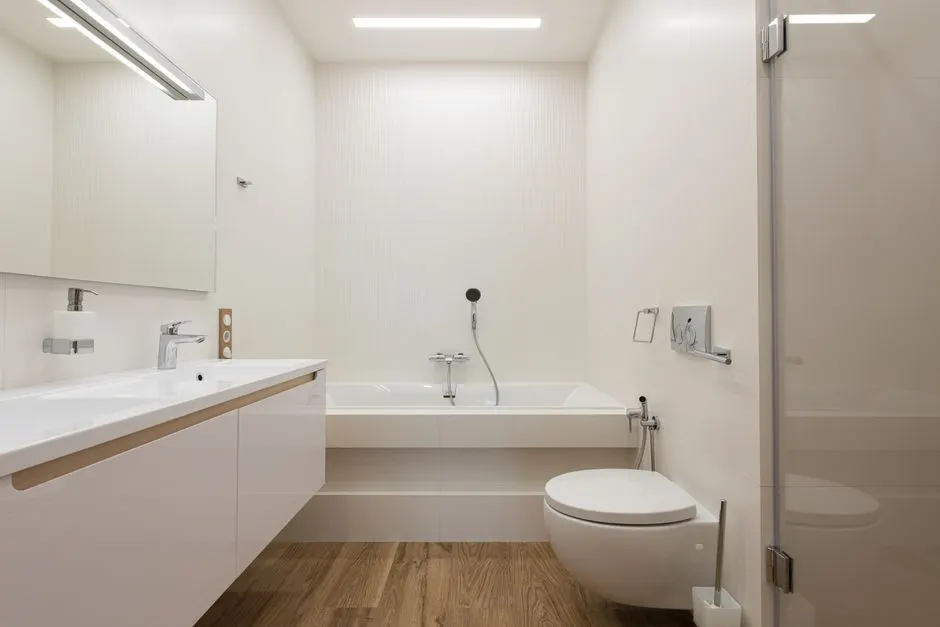
Your toilet is running after a flush because the flapper at the bottom of the tank is not sealing against the flush valve seat, so water keeps trickling from the tank into the bowl and the fill valve keeps replacing it. The second most common cause is a fill valve that is set too high or has a failed seal, letting water spill into the overflow tube continuously. Either way, the fix is usually a $10 to $25 part and about 20 minutes of work, and we can walk you through the diagnosis right now.
Below we cover how to identify which part is failing, what a running toilet costs you on a Lakeland water bill, and the point where it makes more sense to hand it off to a plumber.
The short answer: your flapper is not sealing
A running toilet after a flush in Lakeland is a seal problem, not a mystery. When you press the handle, the flapper lifts and dumps roughly 1.6 gallons from the tank into the bowl. When you release it, the flapper drops back down and should seal against the flush valve seat within a second or two. If it does not seal, tank water keeps draining into the bowl, the water level in the tank drops, and the fill valve kicks on to top it back up. That cycle repeats until you either fix the seal or shut the water off.
Rubber flappers do not last forever. In Central Florida, chlorinated municipal water and the heat in a garage-adjacent bathroom break down the rubber faster than most homeowners expect. A flapper that is three to five years old is a prime suspect. Mineral buildup on the valve seat, a warped flapper, a stretched lift chain, or a chain that is too short and holds the flapper slightly open all produce the same symptom: a toilet that hisses, trickles, or runs long after the flush is finished.
If you have already replaced the flapper and the toilet still runs, the problem is almost always the fill valve or the flush valve seat itself. We see that combination constantly on toilet repair Lakeland FL calls, and it is the reason we keep both parts on the truck.
How to tell which part is failing in five minutes
You can narrow down the cause without pulling the tank apart. Pop the lid off, flush, and watch what happens for about 60 seconds.
- Water level keeps dropping in the tank. That is a flapper or flush valve seat leak. The water is escaping past the flapper into the bowl.
- Water level is at or above the top of the overflow tube. That is a fill valve problem. The float is set too high, or the valve is not shutting off, and water is spilling down the overflow.
- You hear a faint hiss with the tank full and nothing moving. That is usually a slow flapper leak or a fill valve diaphragm that is starting to fail.
- The chain is tangled, kinked, or too tight. The flapper cannot sit flat. Shorten or reroute the chain so there is about half an inch of slack.
One more test that settles it fast: shut the water supply valve behind the toilet, mark the tank water level with a pencil, and wait 10 minutes. If the level drops, the flapper or seat is leaking. If the level holds and the toilet still runs when the water is back on, the fill valve is the culprit.
If you would rather not crawl behind the toilet with a flashlight, that is a normal call for us. We diagnose running toilets across the county, from leak detection Lakeland FL work on hidden supply lines to simple tank rebuilds.
Why does my toilet keep running in Lakeland FL?
Lakeland water is the biggest single reason toilets here run longer than they should. The city draws from the Floridan aquifer, and that water carries dissolved calcium and magnesium. Every flush leaves a thin mineral film on the flapper and the flush valve seat. Over a year or two, that film turns into grit that keeps the rubber from seating flat. You cannot see it, but you can feel it with a fingertip.
Two other local factors matter. First, our summer humidity keeps bathrooms damp, and damp rubber ages faster than dry rubber. Second, a large share of Lakeland housing stock was built between the 1950s and the 1990s, and many of those toilets still have original or first-replacement internals. A 1994 toilet in Dixieland or a 1978 toilet near Lake Hollingsworth is running on borrowed time.
If your home has hard-water staining on the shower glass or white crust on the faucet aerators, assume your toilet internals are seeing the same buildup. A whole-house water softener installation Lakeland FL is the long-term answer for the plumbing system, but it will not rescue a flapper that is already crusted over.
How much water is a running toilet wasting in Lakeland, Florida?
A running toilet wastes between 200 and 4,000 gallons a day depending on how bad the leak is, and that shows up on your Lakeland Water Utilities bill within one billing cycle. A slow flapper trickle is roughly 200 to 500 gallons a day. A flapper that is stuck wide open or a fill valve that never shuts off can push 2,000 to 4,000 gallons a day, which is the equivalent of leaving a garden hose running in the yard around the clock.
Put in dollars: at Lakeland's current tiered rates, a moderate running toilet adds roughly $30 to $80 a month to a typical residential bill. A severe one can add $200 or more. Polk County also runs a reclaimed-water and conservation program, so unusually high usage sometimes triggers a letter from the utility before you notice anything in the bathroom.
There is a second cost that does not show up on the bill. Constant tank refilling wears out the fill valve, the supply line, and eventually the shutoff valve behind the toilet. What starts as a $15 flapper becomes a $250 to $450 repair when a supply line finally lets go and you are mopping up a bathroom floor. Fixing it the week you notice it is almost always the cheaper path.
How to stop a toilet from running in Lakeland FL
Most running toilets stop running with one of these four fixes. Work through them in order and stop as soon as the toilet goes quiet.
1. Adjust or replace the flapper
Shut the water off at the wall valve, flush to empty the tank, and unhook the flapper from the overflow tube. Wipe the flush valve seat with a cloth and a little white vinegar to knock off the mineral film. If the rubber feels stiff, cracked, or cupped, replace it. Match the flapper to your toilet brand and model, not just the tank size.
2. Reset the fill valve height
The water level should sit about one inch below the top of the overflow tube. If it is higher, adjust the float or the valve body down. If the valve will not stop filling even at the correct level, the diaphragm inside has failed and the valve needs replacing. A new fill valve runs $12 to $25 at any Lakeland hardware store.
3. Fix the chain
Give the chain about half an inch of slack. Too tight and it holds the flapper open. Too loose and it can get caught under the flapper, which produces the same running symptom.
4. Check the flush valve seat
If a new flapper still will not seal, the plastic seat under it is nicked or scaled. Light scaling comes off with vinegar and a soft cloth. Deep gouges mean the flush valve assembly needs replacing, which is a tank-off job.
If you are replacing the toilet entirely because the bowl is cracked or the model is a 1980s water hog, we handle toilet installation Lakeland FL and haul the old unit away the same day.
Common mistakes we see on running toilet repairs
The same handful of errors show up on almost every running toilet we get called out to in Lakeland. Avoiding them saves you a second trip to the store.
- Buying a universal flapper. A one-size-fits-all flapper often will not seal on a Kohler, TOTO, or older American Standard flush valve. Bring the old flapper to the store or note the model number inside the tank lid.
- Skipping the seat cleaning. A brand-new flapper on a gritty seat leaks exactly like the old one. Clean the seat first, every time.
- Over-tightening the tank bolts. Snug is enough. Cranking them down cracks the porcelain and turns a $20 repair into a $400 toilet replacement.
- Ignoring the shutoff valve. If the valve behind the toilet will not close all the way, you cannot work on the tank. That valve is a $30 to $60 replacement and worth doing while you are back there.
- Assuming the fill valve is fine because it is new. Cheap fill valves fail within 18 months in hard water. If you replaced it recently and the toilet still runs, that is the first thing we check.
When to call a plumber for a running toilet in Lakeland FL
Call a plumber when you have replaced the flapper and cleaned the seat and the toilet still runs, when the tank bolts or flush valve are cracked, when the shutoff valve behind the toilet will not close, or when water is pooling on the floor around the base. Those are the four situations where a DIY repair usually makes things worse.
We also get called when a running toilet is one of several symptoms. If the toilet runs, the shower drains slowly, and you hear gurgling from the tub, the problem is likely in the drain or sewer line, not the tank. A running toilet plus a rising water bill with no visible leak can point to a supply-side leak elsewhere in the house. We sort that out with pressure testing and a camera inspection before we touch the toilet.
Our team handles running toilet repair, tank rebuilds, and full replacements across Lakeland and the surrounding Polk County area. We quote the price before we start, and most running toilet calls are done in under an hour.
Frequently Asked Questions
Why is my toilet running after I flush in Lakeland FL?
The flapper is not sealing against the flush valve seat, so tank water keeps draining into the bowl and the fill valve keeps refilling it. Hard Lakeland water leaves mineral film on the flapper and seat, which is the most common cause here. A fill valve set too high causes the same symptom.
How do I stop my toilet from running in Lakeland, Florida?
Shut off the water, empty the tank, clean the flush valve seat with vinegar, and replace the flapper if the rubber is stiff or cracked. Reset the water level to one inch below the overflow tube. That fixes roughly 8 out of 10 running toilets in under 30 minutes.
Does a running toilet waste water in Lakeland FL?
Yes. A slow flapper leak wastes 200 to 500 gallons a day, and a stuck-open valve can waste 2,000 to 4,000 gallons a day. On Lakeland water rates, that is roughly $30 to $80 a month for a moderate leak and $200 or more for a severe one.
Can I fix a running toilet myself in Lakeland, Florida?
Usually yes. A flapper or fill valve replacement is a 20 to 30 minute job with a screwdriver and an adjustable wrench, and parts cost $10 to $25. Call a plumber if the tank is cracked, the shutoff valve will not close, or a new flapper still will not seal.
How much does it cost to fix a running toilet in Lakeland FL?
Typical 2026 pricing in this area runs $95 to $175 for a flapper and fill valve rebuild, and $250 to $450 if the flush valve assembly or shutoff valve also needs replacing. Parts are a small share of that; most of the cost is the service call and labor.
Get help with plumbing in Lakeland
If your toilet is still running after a new flapper and a clean seat, or you would rather have it handled in one visit, our team at Lakeland Swancrest Plumbing can diagnose and repair it today. We carry the common flappers, fill valves, and flush valve assemblies on every truck, so most running toilet calls are finished in a single trip.
Call us at (863) 445-7111 to schedule running toilet repair, a tank rebuild, or a full replacement anywhere in Lakeland and Polk County.